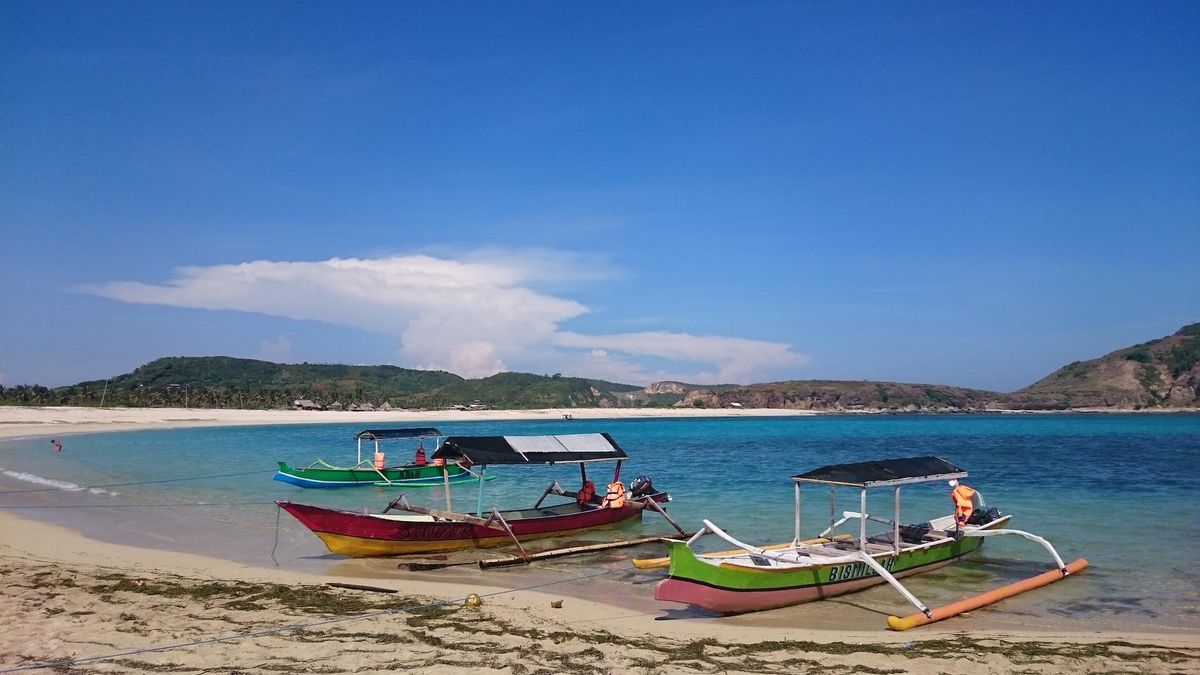
Sometimes, you go somewhere expecting to take photos. But sometimes, the place you go ends up taking something from you instead—your assumptions, your stress, your need to be anywhere else. That’s what Lombok did to me. Or rather, that’s what someone in Lombok did to me.
This story isn’t about resorts or hashtags. It’s about trust, spontaneity, and the quiet magic of traveling with someone who knows the island like a song they grew up singing. A journey with someone who doesn’t just show you around, but shows you what it means to belong to a place.
Choosing the Unexpected
It started with a Google search and a hunch. I was planning my first trip to Indonesia, and while most roads led to Bali, my curiosity veered slightly east—to an island I’d heard whispers about. Lombok. The name sounded soft, almost poetic.
But here’s the thing: I didn’t want to explore it alone. I didn’t want to miss the stories between the sights, the little things you can’t find on a travel blog. I didn’t want a bus tour. I wanted a local—someone who could read the road, the weather, the unspoken rhythm of the island.
That’s when I reached out to a recommended local driver who had guided a friend of a friend a year before. I didn’t know then that I was about to meet one of the best parts of the entire journey.
First Encounters: A Guide Who Felt Like Family
He met me at the airport, holding a sign I instantly ignored because of his warm grin. No scripted greetings. Just a handshake and a “Welcome to my island, my friend.”
From the moment we started driving, I could feel the difference. He wasn’t just getting me to my hotel—he was already weaving the island into the conversation. “See those trees? My grandfather planted them.” “This curve in the road? Great place to stop for kopi.” “That mountain? Locals believe it watches over us.”
It was like having a friend, storyteller, and map rolled into one human being.
The Island, Through His Eyes
The days that followed blurred in the best way—sunrise over quiet hills, villages still sleeping as the mist rose, and impromptu stops whenever something interesting came into view.
He knew the backroads no one talks about. He introduced me to families in remote villages who invited me to try traditional sweets made with coconut and sticky rice. He explained how the Sasak culture shapes everything from weddings to weaving, all while keeping a respectful silence whenever the moment asked for it.
At one point, we were driving near Tetebatu and saw a group of kids flying kites near a rice paddy. He stopped the car. No schedule, no rush. We got out and just watched. He told me how he used to do the same thing as a boy, running barefoot in that same mud.
It’s these details—unplanned, unfiltered—that made the trip unforgettable.
The Power of Understanding the Land
One thing I noticed early on: he wasn’t trying to impress me. He wasn’t rattling off facts like a textbook or performing culture for the sake of entertainment. He was just… sharing. Proudly, humbly.
When we visited Sade Village, it wasn’t a forced cultural tour. He knew people there. We were invited into a home, sat on a woven mat, and listened to a grandmother explain the meaning behind the pattern of her handwoven sarong. My guide translated, but more importantly, he contextualized. He connected the dots between tradition and the modern life around it.
Later, on the southern coast near Tanjung Aan, we skipped the tourist-heavy spots and walked to a quieter cove. He pulled out local snacks from his bag—fried cassava and mango slices—and we just sat there, watching fishermen pulling nets, buffalo wandering by. No itinerary could’ve planned it better.
A Natural Storyteller
He didn’t carry brochures. His stories didn’t feel rehearsed. They came out of the landscape. Driving past a tree, he’d remember climbing it as a kid. Passing a temple, he’d share what offerings his mother used to bring there. Even a cracked wall in an old building sparked a memory about his uncle’s wedding.
It wasn’t a tour. It was storytelling—rooted in memory, voice, and lived experience.
And it made me feel like I wasn’t just visiting a place. I was stepping into someone’s home.
Local Connections That Open Doors
Another thing that amazed me: the number of people who waved at him. From roadside food vendors to ferry staff to market sellers, it seemed like everyone knew him. And that helped me feel safe—not just physically, but culturally.
He helped me navigate moments that would’ve felt awkward alone—ordering food without a menu, joining a traditional dance rehearsal, even bargaining for handicrafts without offending anyone. He was my translator, not just of language, but of mood, etiquette, and emotion.
At one point, I asked him what he loved most about the island. He didn’t hesitate: “The people. We smile first.” I saw that truth every day.
Why I’ll Never Travel the Same Again
I’ve done the “plan it all” kind of trips before. The list of top ten places, the rush from one spot to another, the endless photos with landmarks I barely remember. But this was different.
This was slow. This was intentional. This was emotional.
And it only happened because I didn’t try to do it all alone. I trusted a real person—not an app or a company—to show me his world.
So if you’re thinking of heading to this island and want a meaningful experience, I can’t recommend enough to travel with someone like a true Lombok tour guide.