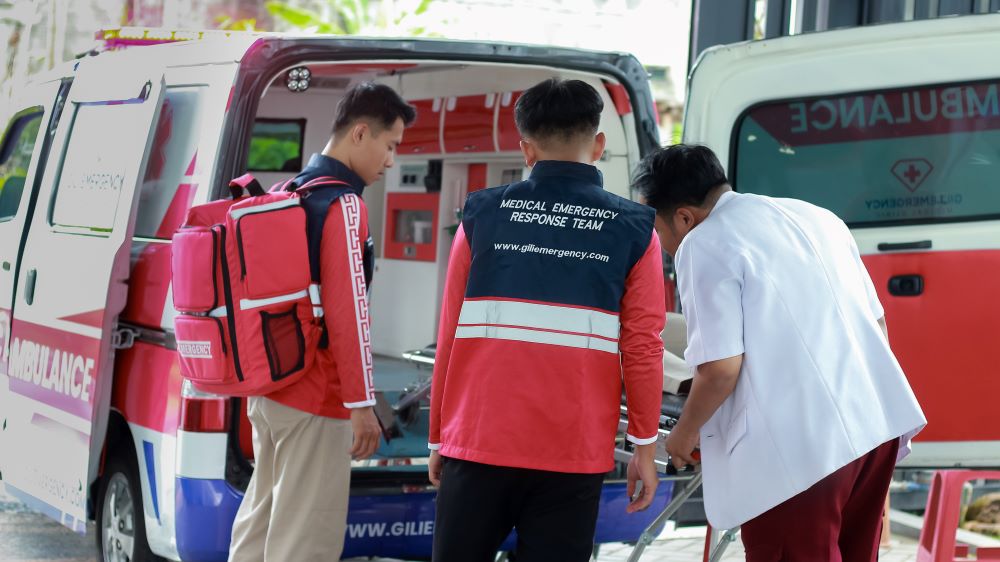
Have you ever been so mesmerized by the crystal-clear waters and slow island rhythm of the Gilis… then suddenly felt that tiny jolt of panic when something goes wrong? Yeah, I’ve been there. And in moments like that, knowing that Gili emergency service exists can feel like having an invisible safety net.
Whether you’re backpacking through Gili Trawangan, taking sunset photos in Gili Air, or hiding away in the quiet calm of Gili Meno, emergencies don’t exactly check your holiday schedule. That’s why today, we’re going to talk—santai style, like chatting with your best friend—about what really happens behind the scenes when help is needed on these little slices of paradise.
Let’s dive in.
Understanding How Gili Emergency Service Works on Island Time
You know that feeling when you wake up to the sound of waves and think, “Life doesn’t get better than this”? Totally fair. But because the Gili Islands don’t allow motorized vehicles, the way Gili emergency service operates is pretty unique.
I still remember watching a team maneuver a bicycle-ambulance—yes, literally a bike attached to a small emergency cart—through a sandy path! A bit surreal, a bit cinematic, and honestly kind of impressive. That moment made me realize: even in a place this remote, people have created systems that work.
Most minor issues—heat exhaustion, coral cuts, food poisoning, you name it—can be handled directly on the islands. But for more serious situations, the emergency service usually coordinates boat transfers to Lombok, which has full hospitals. And trust me, when every minute counts, seeing that rescue boat glide into the harbor feels like hope arriving.
Why Gili Emergency Service Is Essential for Travelers
Picture this: you’re snorkeling in water so clear you can count the tiny bubbles rising around you. Suddenly, you graze a sharp piece of coral. It’s small, but deep. There’s that sting, a little blood, a little panic. What now?
This is where Gili emergency service shines. It’s not just about dramatic rescues—though those happen too—it’s about the everyday things travelers deal with.
And if you’re like me, someone who sometimes gets too excited exploring and forgets sunscreen (seriously, how many times do we have to make that mistake?), having reliable medical support nearby is a game-changer.
Plus, for families, solo female travelers, and first-time adventurers, knowing help is available makes it easier to relax into the slow rhythm of island life. It’s a psychological comfort blanket, and honestly, we all need one sometimes.
The Unique Challenges Faced by Gili Emergency Service Teams
Let’s be real here: working in emergency response on tropical islands isn’t your typical day job.
The teams behind Gili emergency service have to deal with:
-
Limited road infrastructure
-
No motorized ambulances
-
Weather that can turn from calm to chaotic in minutes
-
Transporting patients across open sea
-
High tourist volume during peak seasons
Imagine being a first responder and needing to rush through sand while pulling equipment behind you. Or coordinating a medical evacuation boat during choppy waves at midnight.
These people are absolute heroes—and they don’t get nearly enough credit.
Common Situations Handled by Gili Emergency Service
Let’s break it down, sahabat. Based on common cases and local experience, here are some situations that emergency teams often face:
1. Snorkeling & Diving Injuries
Coral cuts, jellyfish stings, ear barotrauma, and the occasional diving-related issue. The water is stunning, but it has attitude.
2. Heat-Related Problems
Dehydration is sneaky. I’ve seen strong hikers suddenly wobble after walking under the sun too long.
3. Motorcycle-Style Accidents (But With Bikes)
Since the islands use bicycles and horse carts, most injuries involve falls or collisions.
4. Allergic Reactions & Food Poisoning
Tropical climates + new foods = sometimes unpredictable adventures for your stomach.
5. Scuba-Related Emergencies
Although rare, decompression issues require fast coordination with Lombok facilities.
The good news? The Gili emergency service teams are used to all of this and act quickly when needed.
How You Can Prepare Yourself Before Visiting the Gilis
Okay, story time. A couple of years ago, I was helping a friend bandage what looked like a minor coral cut. It seemed small, so we ignored it. Spoiler alert: don’t do that. By the next morning, it was red, swollen, and… let’s just say “uncomfortable” is an understatement.
Here’s what I learned (and what you should absolutely do):
Bring a Basic Medical Kit
Nothing fancy. Antiseptic, bandages, electrolytes, and a small waterproof pouch. Trust me, handy banget.
Know Where the Emergency Points Are
It takes a few minutes to check, and the peace of mind is worth it.
Listen to Your Body
Feel dizzy? Get out of the sun. That “It’s fine, I’m fine” attitude? Leave it on the boat.
Don’t Skip Travel Insurance
Especially the kind that covers diving. You’re in one of the world’s top underwater playgrounds—be prepared.
With these simple steps, you increase your safety dramatically… and hopefully avoid needing the Gili emergency service altogether.
The Human Side of Emergency Help on the Gilis
One thing that always stays with me is how personal everything feels here. These islands are small communities. When someone gets injured, locals don’t just “handle a case”; they help a person they might have greeted that same morning at the beach.
I once saw an emergency responder calming a terrified traveler in fluent English while holding her hand and joking softly to distract her. You could literally feel the compassion in the air—like warmth spreading in your chest.
This human touch? It’s something big-city hospitals sometimes lack, but in the Gilis, it’s part of their heartbeat.
And honestly, that emotional security is just as important as the medical help itself.
Staying Safe While Enjoying Island Magic
Paradise doesn’t cancel reality. But knowing that Gili emergency service is always ready to help makes exploring the islands so much easier. Whether you’re diving with turtles, cycling through coconut groves, or dancing barefoot by the beach, there’s comfort in knowing you’re not alone—even far from home.
So enjoy every second. Savour the sunsets. Let the ocean wind mess up your hair. And just remember: help is here if you need it.